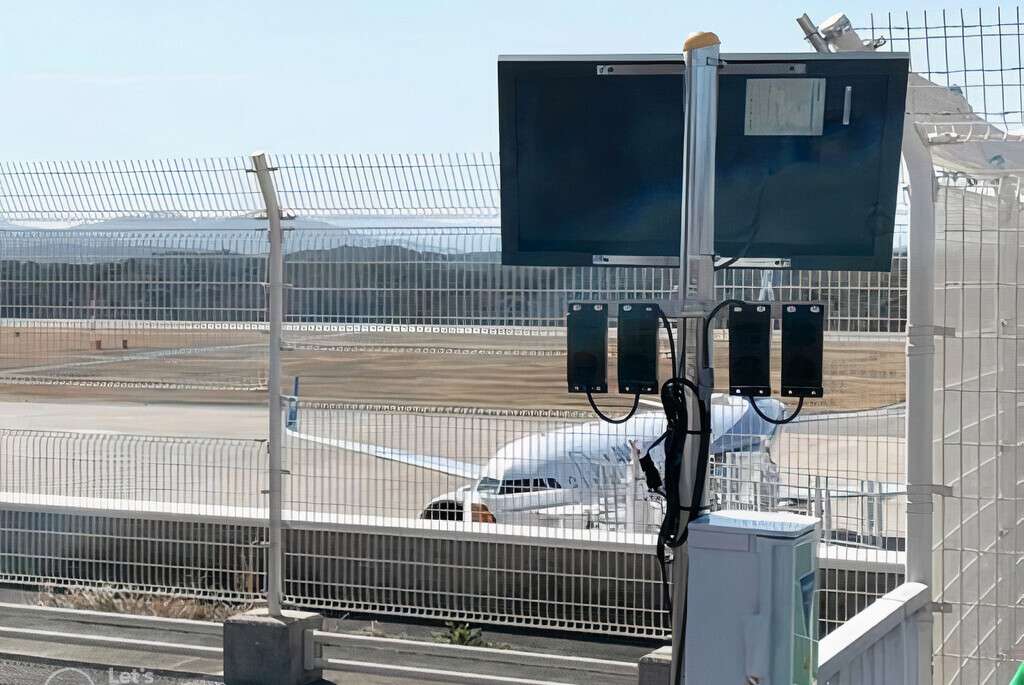
On June 19, 2025, a TUI flight from Cardiff, Wales, to Lanzarote’s César Manrique Airport became the centre of a major emergency response after a bomb threat was discovered mid-flight.
The incident, later confirmed as a false alarm, triggered a swift, coordinated response from authorities in Portugal and Spain. The incident resulted in disrupted travel plans as the flight, placed under fighter escort, was searched on arrival in Lanzarote.
TUI Flight BY6422 Cardiff-Lanzarote
TUI flight BY6422, operated by a Boeing 737-800 registered G-TAWJ, was en route to the popular Canary Islands destination when a crew member found a handwritten note in the aircraft’s bathroom.
The note claimed an explosive device was on board, prompting immediate action. The pilot, informed of the threat while flying over Portugal, notified air traffic control, setting off a chain of emergency protocols.
The crew decided to continue to Lanzarote rather than divert to Faro Airport in Portugal, a decision that shaped the response.
[advert]
[magazine]

Fighter Escort and Emergency Response
As the flight crossed Portuguese airspace, two F-16M fighter jets from Monte Real Air Base were scrambled. They then escorted the aircraft.
The fighter escort continued until the flight entered Spanish airspace, where control was handed over to Spanish authorities.
Upon landing in Lanzarote around 11:00 AM, the aircraft was directed to a secure area of the airport. All passengers were quickly evacuated, and their luggage was subjected to rigorous checks.
Spain’s Civil Guard led the response on the ground, deploying multiple units, including the GEDEX (Explosives Deactivation Group), TEDAX (bomb disposal teams), and the Fiscal and Border Section.
Firefighters were also on standby to support the operation. The search was thorough, with every piece of luggage inspected and passengers required to identify their belongings.
[advert]

The airport temporarily halted all landing and take-off operations, delaying four scheduled flights and causing significant disruption for travellers.
After an exhaustive search, authorities confirmed no explosive device was present, declaring the threat a hoax. The swift resolution allowed the airport to resume normal operations, but the incident left passengers shaken and authorities on high alert.
The Civil Guard and local police launched an urgent investigation to identify the individual responsible for the note. As of now, no suspects or motives have been publicly disclosed, but the investigation remains active.
Conclusion
This false alarm highlights the serious impact of hoax threats on aviation. Such incidents not only disrupt travel but also strain emergency resources and heighten public anxiety.
The coordinated response from Portuguese and Spanish authorities demonstrates the robustness of aviation security protocols, yet the event underscores the need for continued vigilance.
As the TUI bomb threat investigation progresses, authorities aim to ensure accountability to prevent future disruptions.
For travellers, this incident serves as a reminder of the importance of reporting suspicious activity promptly.
Updates on the investigation may shed light on the perpetrator’s motives, but for now, Lanzarote’s normal operations have resumed.
[whatsapp]
[newsletter-signup]
[advert]