
How Does a Flex PCB Manufacturer Improve Reliability?
Reliability is a fundamental factor in the production of flexible printed circuit boards (flex PCBs). These versatile components are used in a wide range of industries, including aerospace, automotive, healthcare, and consumer electronics, where performance and durability are crucial. To meet these demands, a flex PCB manufacturer employs a variety of strategies to ensure that each PCB operates efficiently over its expected lifespan, even in harsh environments. In this article, we explore the key methods a flex PCB manufacturer uses to improve the reliability of their products.
1. Selection of High-Quality Materials
The reliability of any flex PCB starts with the materials used in its construction. A flex PCB manufacturer carefully selects high-quality substrates, conductive materials, and protective coatings to ensure durability and long-term performance. Common materials for flex PCBs include polyimide films, which offer excellent heat resistance, flexibility, and electrical insulation properties.
By choosing premium-grade materials, a flex pcb manufacturer can create boards that resist thermal cycling, moisture, and chemicals, which can otherwise lead to failure over time. The quality of the copper used for traces also impacts reliability, as higher purity copper provides better conductivity and reduces the risk of trace degradation.
2. Precision in Design and Manufacturing
Design plays a crucial role in the reliability of flex PCBs. A flex PCB manufacturer works closely with customers during the design phase to ensure the circuit board is optimized for performance and longevity. Advanced Computer-Aided Design (CAD) software is employed to simulate the behavior of the circuit under various conditions, allowing engineers to identify potential issues before fabrication begins.
Manufacturing processes, including etching, lamination, and drilling, are carried out with precision to avoid defects such as misalignment, shorts, or weak solder joints. Ensuring the correct trace width and spacing is vital, especially for high-speed applications where signal integrity is essential. By adhering to strict design rules and tolerances, the manufacturer can minimize the risk of failure during the PCB’s lifecycle.
3. Multi-layer Design for Enhanced Durability
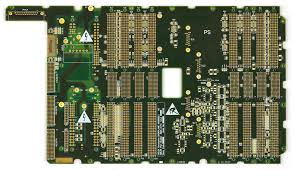
Flex PCBs often feature multi-layer constructions to support more complex electronic systems. A flex PCB manufacturer uses multi-layer designs to increase reliability by distributing electrical signals more evenly and minimizing the risk of signal interference or short circuits. Multi-layer PCBs also allow for the use of more robust routing strategies, improving both the mechanical strength and electrical performance of the board.
The careful stacking and lamination of layers ensures that the flex PCB maintains structural integrity under stress. Additionally, multi-layer designs can help reduce the overall size of the PCB while improving its functionality and longevity, especially in space-constrained environments like medical devices and wearable technologies.
4. Rigorous Testing and Quality Control
A key component of improving reliability is testing. A flex PCB manufacturer conducts thorough quality control checks and testing at various stages of the production process. This includes electrical testing to check for continuity, visual inspection to detect manufacturing defects, and thermal testing to simulate environmental stress conditions. These tests ensure that the PCBs function correctly and are free from defects that could compromise their performance.
Automated Optical Inspection (AOI) systems are commonly used to detect any inconsistencies in the manufacturing process, such as broken traces or component misplacement. These inspections help catch potential reliability issues before they become problems in the final product, reducing the likelihood of failure in the field.
5. Stress and Fatigue Testing
Because flex PCBs are designed to bend and flex, they need to withstand mechanical stress and fatigue over time without degrading. A flex PCB manufacturer performs stress and fatigue testing to ensure that the PCB can endure constant bending, twisting, and vibration without failure. The board’s ability to handle mechanical stress is particularly important in applications like automotive electronics or wearable devices, where the PCB will experience frequent motion or vibration.
Through flexural testing and vibration testing, a flex PCB manufacturer can determine how well a PCB holds up under repetitive movements, ensuring that it remains operational and intact under normal use conditions.
6. Protective Coatings for Environmental Resistance
Environmental factors such as moisture, chemicals, and dust can affect the reliability of flex PCBs. To combat this, a flex PCB manufacturer often applies protective coatings such as conformal coatings or potting compounds. These coatings create a barrier against environmental contaminants, protecting the delicate circuitry from moisture and corrosion that can lead to PCB failure.
Conformal coatings are commonly used in aerospace, automotive, and medical applications where exposure to harsh environments is likely. By applying a thin protective layer over the entire board or specific components, a flex PCB manufacturer ensures that the PCB remains reliable, even in extreme conditions.
7. Design for Manufacturability (DFM) Principles
Ensuring reliability goes beyond just the materials and testing; the design must also be manufacturable with high consistency. A flex PCB manufacturer applies Design for Manufacturability (DFM) principles, which focus on creating designs that are optimized for efficient production while minimizing the risk of defects.
By adhering to DFM principles, the manufacturer ensures that the design is not only reliable in terms of performance but also easy to produce with high consistency. This reduces variability in the final product, which is crucial for maintaining reliability across large production runs.
8. Continuous Improvement and Feedback Loops
Finally, a flex PCB manufacturer commits to continuous improvement through feedback loops. By collecting data from field performance, customer feedback, and quality control tests, manufacturers can refine their processes and materials to enhance reliability further. This iterative approach allows the manufacturer to address emerging issues and innovate new solutions to improve the overall quality of their products.
Conclusion
Improving the reliability of flex PCBs is a multifaceted effort that requires careful material selection, precise design, rigorous testing, and continuous process improvements. By focusing on these areas, a flex PCB manufacturer can produce high-quality, durable PCBs that meet the rigorous demands of industries such as aerospace, automotive, healthcare, and consumer electronics. Whether it’s through advanced materials, thorough testing, or environmental protections, manufacturers are committed to ensuring their flex PCBs deliver consistent, reliable performance in even the most challenging environments.


