3V Power Adaptor
Usually the problem is a mismatch between voltage and current rating. For example if you have a 6V wall wart that supplies 1400mA of DC (which is more than the 700mA required by the item) then it will probably not work or damage the device it’s trying to power. The easiest way to check the output of an adaptor is with a multimeter. Make sure you have the right polarity and voltage setting on the multimeter, then plug the adapter into an electronic device that requires the same voltage and polarity as yours, and use the multimeter to check the voltage on the adapter’s plug. If it reads 6 V then the adapter is faulty.
Determining whether a 3V power adapter is faulty can be essential for ensuring the safety and functionality of your electronic devices. Power adapters convert electrical current from a wall outlet into a usable form for smaller electronics, and if they malfunction, they can cause operational issues or even damage the devices they power. Here are some steps and signs to help you identify if your 3V power adapter is faulty.
Start with a thorough visual inspection of the 3v power adaptor. Look for any obvious signs of damage, such as frayed wires, cracks in the casing, or burn marks. A damaged cord can lead to intermittent power supply, which may affect device performance. Ensure that the connectors are also in good condition, free from corrosion or debris.
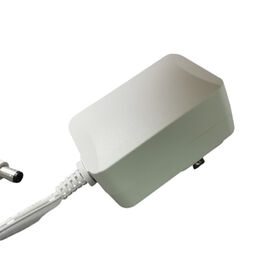
How Can I Tell If My 3V Power Adaptor is Faulty?
Another practical approach is to test the power adapter with a different device that requires a 3V power supply. If the adapter powers the new device without issue, the problem might lie with the original device rather than the adapter. Conversely, if the new device also fails to power on, it’s a strong indication that the adapter is faulty.
Sometimes, a malfunctioning adapter may produce unusual sounds, such as buzzing, clicking, or hissing. These noises can indicate internal component failure, which is a clear sign that the adapter is not functioning correctly. If you hear any strange sounds while the adapter is plugged in, it’s best to stop using it immediately.
Finally, consider how old your power adapter is. Older adapters may naturally wear out over time, especially if they’ve been subjected to regular use or environmental stressors. If your adapter is several years old, it might simply be time to replace it. Many adapters come with an indicator light that shows whether the device is receiving power. If the light doesn’t illuminate when plugged in, or if it flickers inconsistently, this could be an indication of a fault in the adapter.
A faulty 3V power adapter can cause a range of problems, from device malfunction to potential safety hazards. By conducting a visual inspection, measuring voltage output, testing with different devices, listening for unusual noises, checking for overheating, examining the power indicator light, and considering the age of the adapter, you can determine whether it’s functioning properly or needs to be replaced. If you find clear signs of a fault, it’s best to stop using the adapter and consider obtaining a new one to ensure the safety and proper functioning of your devices.