
significance of prototyping in PCB manufacturing
Prototyping is a critical phase in the PCB (Printed Circuit Board) manufacturing process that involves creating a preliminary model or sample of a circuit board before mass production. This phase allows designers and engineers to test their concepts, identify potential issues, and validate the functionality of the PCB design. The significance of prototyping in PCB manufacturing extends across various dimensions, including design validation, cost-effectiveness, risk reduction, and time efficiency.
One of the primary benefits of prototyping in PCB manufacturing is the ability to validate the design. Prototypes enable engineers and designers to assess the functionality of their PCB layouts and component placements before committing to large-scale production. By testing the prototype, manufacturers can identify design flaws, such as incorrect connections or component placements that could lead to failures in the final product.
Additionally, prototyping allows for the evaluation of signal integrity, power distribution, and thermal performance. By simulating real-world conditions, designers can ensure that the PCB will perform as intended in its final application, whether it be in consumer electronics, automotive systems, or medical devices. This validation process is crucial for meeting quality standards and ensuring customer satisfaction.
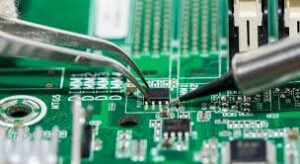
What is the significance of prototyping in PCB manufacturing?
Investing in PCB prototyping can lead to significant cost savings in the long run. By identifying and addressing design flaws early in the development process, manufacturers can avoid the high costs associated with reworking or replacing defective boards in mass production. The expenses incurred from recalls, warranty claims, and customer dissatisfaction can far exceed the initial costs of prototyping.
Moreover, prototyping allows for the exploration of different materials, layouts, and manufacturing techniques. Manufacturers can evaluate various options to determine the most cost-effective solution for their final product. This exploration not only leads to better financial outcomes but also encourages innovation and creativity in design.
Prototyping plays a vital role in risk reduction by providing manufacturers with a tangible representation of their designs. By testing prototypes, teams can identify potential risks related to performance, reliability, and manufacturability. This early detection of issues allows for timely adjustments and refinements, ultimately leading to a more robust final product.
Additionally, prototyping helps assess the feasibility of the design in terms of manufacturing capabilities. Engineers can evaluate whether the proposed PCB design can be produced within the constraints of existing manufacturing processes and technologies. This risk assessment is essential for ensuring that the final product can be manufactured efficiently and meets quality standards.
In today’s competitive electronics landscape, speed is often a critical factor in product development. Prototyping enables faster iterations and testing of designs, allowing manufacturers to refine their products more quickly. By identifying issues early in the development process, teams can make necessary adjustments without delaying mass production.
Furthermore, using rapid prototyping techniques, such as 3D printing or advanced PCB fabrication technologies, can significantly shorten the time required to produce prototypes. This acceleration not only improves efficiency but also allows manufacturers to respond more rapidly to changing market demands and technological advancements.
Prototyping fosters collaboration among cross-functional teams, including designers, engineers, and stakeholders. Having a physical model of the PCB facilitates discussions and decision-making, allowing team members to provide valuable input and insights based on hands-on experience. This collaborative environment encourages a shared understanding of the project goals and challenges, leading to more informed design choices.
Moreover, prototypes can serve as effective communication tools for presenting concepts to clients or investors. A tangible representation of the design can help convey ideas more clearly, fostering confidence in the project’s viability and potential.


